Tag: basketballmom

  • What I Learned From Taking My Son to an Elite Basketball Camp

    What I Learned From Taking My Son to an Elite Basketball Camp

    For Moms New to the AAU Grind

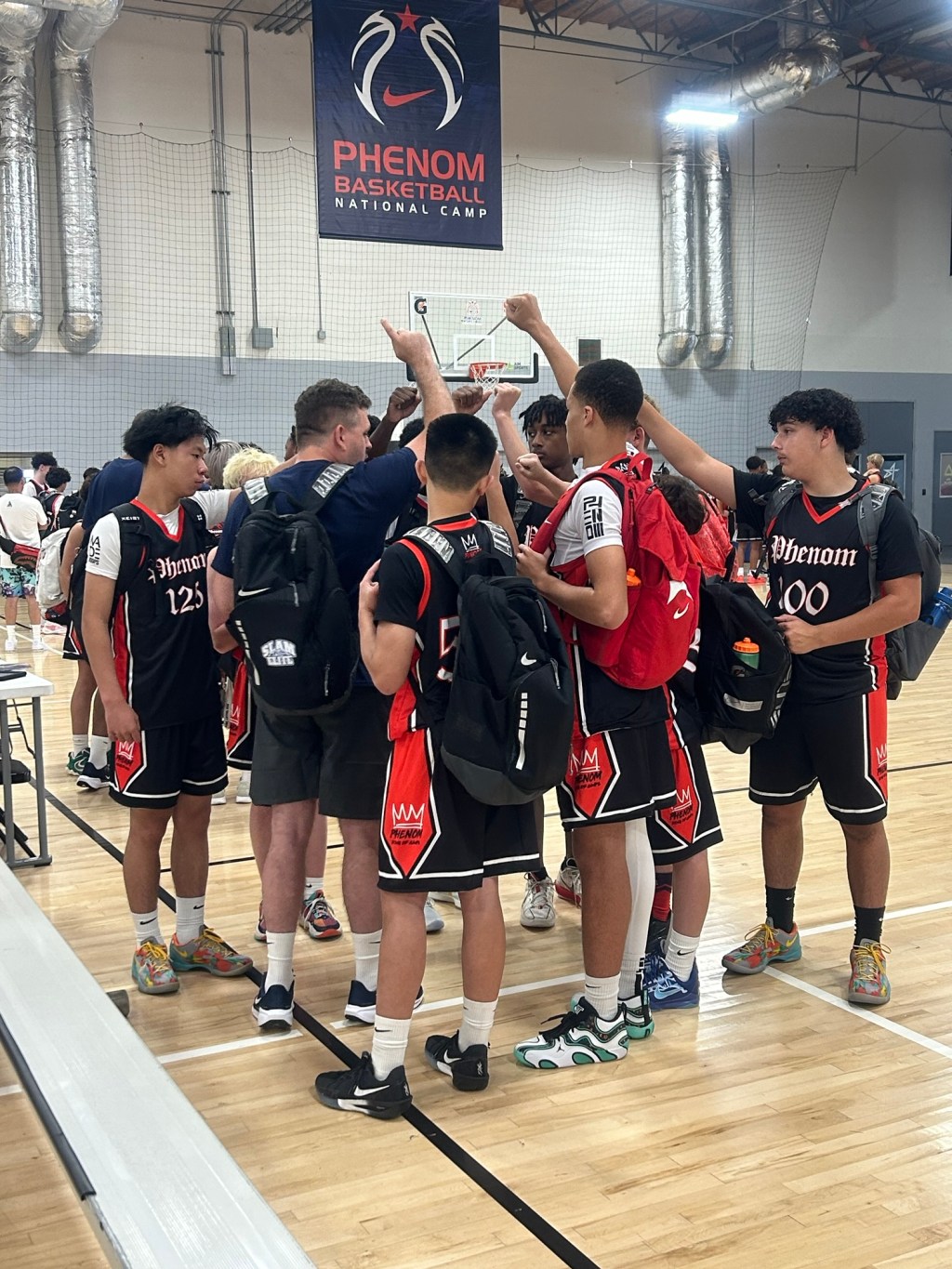
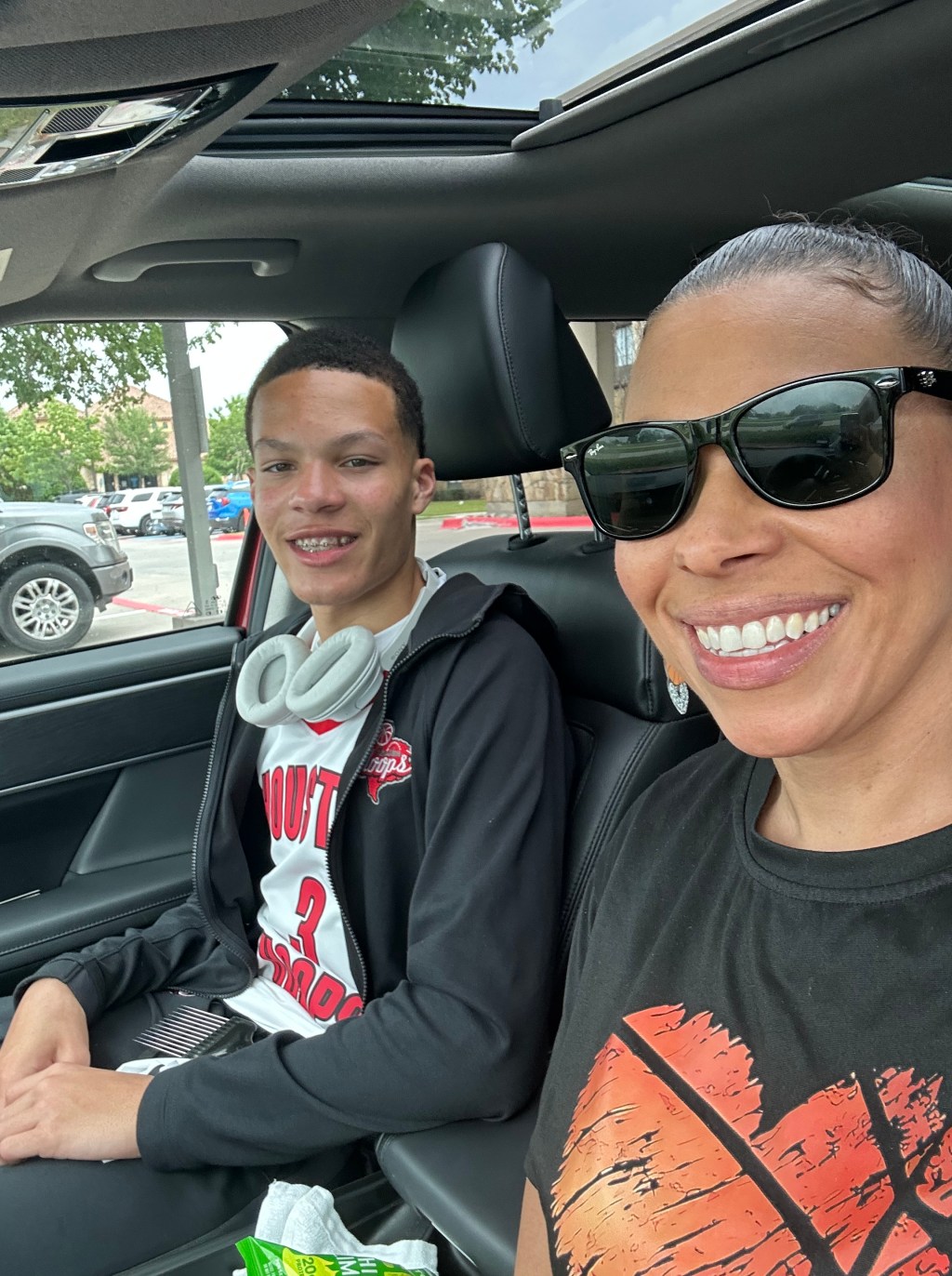
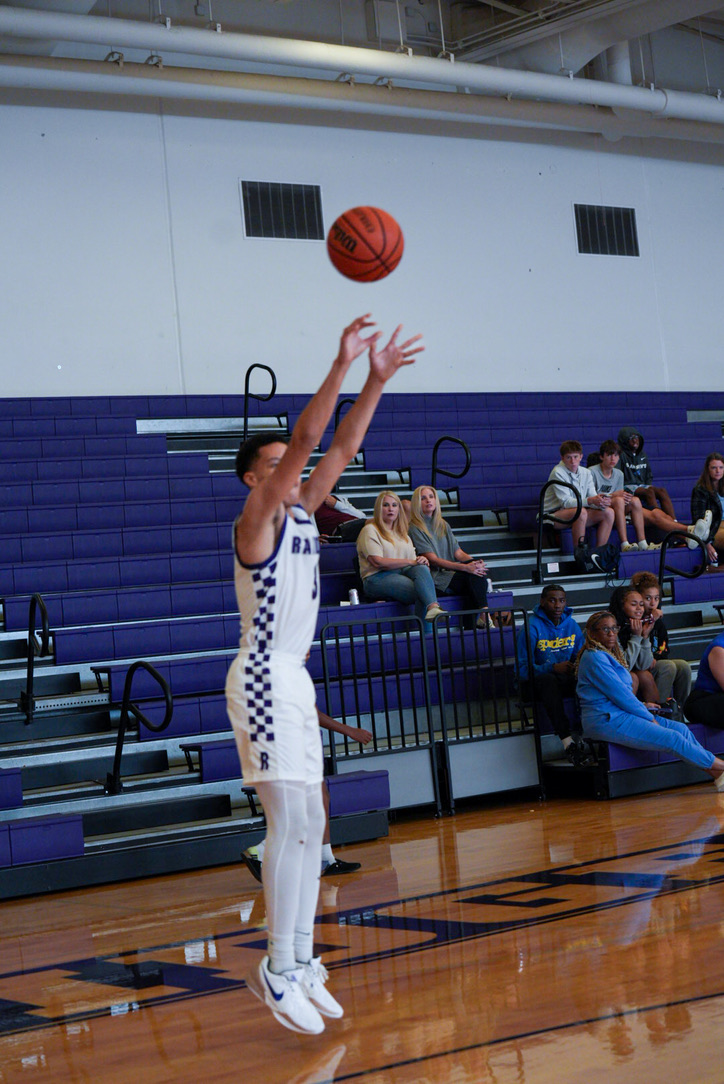
    This summer, my son—a rising 9th grader—attended the National Phenom Camp in Orange County, CA. It was one of the most intense, high-profile basketball camps he’s ever experienced, and honestly, I learned just as much as he did.

    As a mom who’s still fairly new to the world of AAU—and especially the exposure camp scene—this was an eye-opener. From the competition level to the culture and the cost, here’s what I walked away with, in hopes it helps another mom navigate her son’s basketball journey.


    🔥 This Camp Was Serious

    The second we walked in, we felt it: high expectations, focused energy, and a “let’s get to work” atmosphere. This was not a laid-back summer skills camp. These boys came to compete, to be evaluated, and to level up. And the staff? Locked in.

    For my son, who’s preparing for high school tryouts and getting serious about his development, it was exactly what he needed.


    💸 Let’s Talk About the Cost

    This was an investment—no sugar-coating it.

    • Camp Fee: $600
    • Flights: ~$200 (Please note that I was able to get one flight free with a companion pass)
    • Hotel (4 nights): ~$850
    • Ground Transportation: ~$250
    • Food & Snacks: ~$250
    • Camp Gear: ~$50
    • Parent Admission Band: $50

    Total: ~$2,250

    Was it worth it? For us, yes. The exposure, coaching, and competition level were all aligned with where my son is developmentally and where he wants to go. But if your child is younger or not as invested yet, there are absolutely other ways to grow without dropping this kind of money.


    🧠 It’s More Than Just Ball

    What surprised me most was how much of the camp focused on character: discipline, confidence, communication, and leadership. These coaches weren’t just molding hoopers—they were shaping young men. I saw my son stretched in ways I couldn’t have predicted.


    🏀 Not Every Camp Is Right for Every Age

    This camp was best for players who are ready to be seen—rising 9th graders and older. If your child is younger, is still developing foundational skills or is shy about competition, you might want to wait.


    ❤️ Final Thought: Go At Your Child’s Pace

    AAU is a marathon, not a sprint. Some camps will stretch your kid in powerful ways. Others might overwhelm or discourage them. The best “next step” is the one that aligns with who your child is today—not just who they’re becoming.

    I’m still learning and evolving as a basketball mom. But if this journey has taught me anything, it’s that presence, perspective, and partnership with your child matter more than any stat line.

    We’re in this together, mama.

    With love and court side snacks,

    Choquette

  • 🏀 How to Find the Right Team for Your Young Athlete: A Mom’s Guide to Making the Best Call

    🏀 How to Find the Right Team for Your Young Athlete: A Mom’s Guide to Making the Best Call

    If you’re a basketball mom, you’ve probably heard this before: “It’s not just about talent—it’s about finding the right team.” And as a mom of two travel players, let me tell you—it’s true. The right team can build your child’s confidence, sharpen their skills, and help them fall in love with the game. The wrong one? It can drain them (and you) emotionally and financially.

    So how do you choose a team that’s the right fit—not just the one with the flashiest uniforms or biggest name? Here’s what I’ve learned:


    ✨ 1. Start With Your Athlete—Not the Team

    Before you do anything else, sit down with your child and ask:
    🔹 What do YOU want out of this season?

    Are they hoping to have fun, get better, get more playing time, or gain exposure for future opportunities?

    You’d be surprised—sometimes what we think they want isn’t what’s actually motivating them.

    And remember: age and maturity play a huge role. A 7th grader might just want a supportive environment, while a rising freshman might be ready to level up.


    🔍 2. Watch a Practice or Game First

    If you’re seriously considering a team, ask to attend a practice or tournament before committing.

    Pay attention to:

    • How the coach talks to players (encouraging, demanding, dismissive?)
    • How the players interact with one another (are they a team or a collection of individuals?)
    • The vibe on the sidelines—are the families engaged, respectful, welcoming?

    Ask yourself: Would I want my child to be part of that dynamic?


    🧑‍🏫 3. Know the Coaching Style—and What Your Child Needs

    Every coach is different. Some are intense. Some are nurturing. Some are tactical. Some are motivators.

    Ask:

    • Is the coach invested in skill development or just racking up wins?
    • Will my child actually learn and grow here?
    • Is there room for my child to contribute and evolve?

    Not every coach is right for every athlete—and that’s okay.


    📈 4. Fit > Fame

    Yes, it can feel exciting to land a spot on a “name brand” AAU team. But if your child rarely gets off the bench, what’s the benefit?

    Development doesn’t happen from the sidelines.

    Sometimes, the better fit is a smaller or mid-tier program where your athlete gets more playing time, more coaching attention, and real opportunities to lead and grow.


    💰 5. Be Real About the Cost

    I’ve shared openly the real cost of AAU basketball so it is important to factor in the cost of the program you are looking at. Ask for the full picture up front:

    • Registration fees
    • Uniforms/gear
    • Travel expectations (hotels, gas, flights)
    • Hidden costs like tournament food or team photos

    Every family has a budget—and there’s no shame in that. Some teams offer flexible payment plans or scholarships. Ask. Advocate. Know before you commit.


    👋🏽 6. Ask Other Parents 

    Find a parent with experience on the team and ask:

    • How’s the communication from coaches?
    • Any red flags with favoritism or team culture?
    • How’s the balance between competition and development?

    This can give you a much deeper view than the team’s Instagram highlights. Also know that no team is perfect. There is ALWAYS something.


    🌱 7. Reevaluate Every Season

    Your child will grow. Their needs, goals, and skill level will evolve. Don’t feel obligated to stay on a team year after year if it no longer fits. That’s not disloyal—it’s being intentional about your child’s development.


    💬 Final Thought (From One Basketball Mom to Another)

    This journey isn’t just about building better players. It’s about building confident, resilient kids. The right team should challenge your child and support them. It should feel like a second family—one that lifts them up, not tears them down.

    You’re not just picking a team. You’re choosing a culture, a coach, a community—and that matters more than any trophy shelf.

    So trust your gut, listen to your kid, and remember: you’re doing great, mom. 💪🏽

  • Essential Tips for New AAU Basketball Moms

    Essential Tips for New AAU Basketball Moms

    So your child made an AAU basketball team—congrats, Basketball Mom! If you’re feeling a mix of pride, excitement, and “what did we just sign up for?”—you’re not alone. AAU Basketball can be an incredible experience for your young athlete, but for moms new to the game, it often brings a flood of questions and concerns. As a veteran AAU mom who’s been through the highs, lows, and hotel breakfast buffets, here are some of the top concerns I had (and hear from other moms)—plus what I’ve learned along the way.


    1. “How much is this going to cost?”
    Let’s be real: AAU isn’t cheap. Between team fees, uniforms, travel, hotels, meals, and tournament entry costs, the expenses can add up quickly. Many moms worry about budgeting—especially if there are siblings involved or if you’re traveling across states.

    Check out my blog post where I breakdown the real cost of AAU basketball.

    Pro tip: Ask early for a breakdown of expected costs, and find out if there are fundraising opportunities or team sponsors.


    2. “Will my child get enough playing time?”
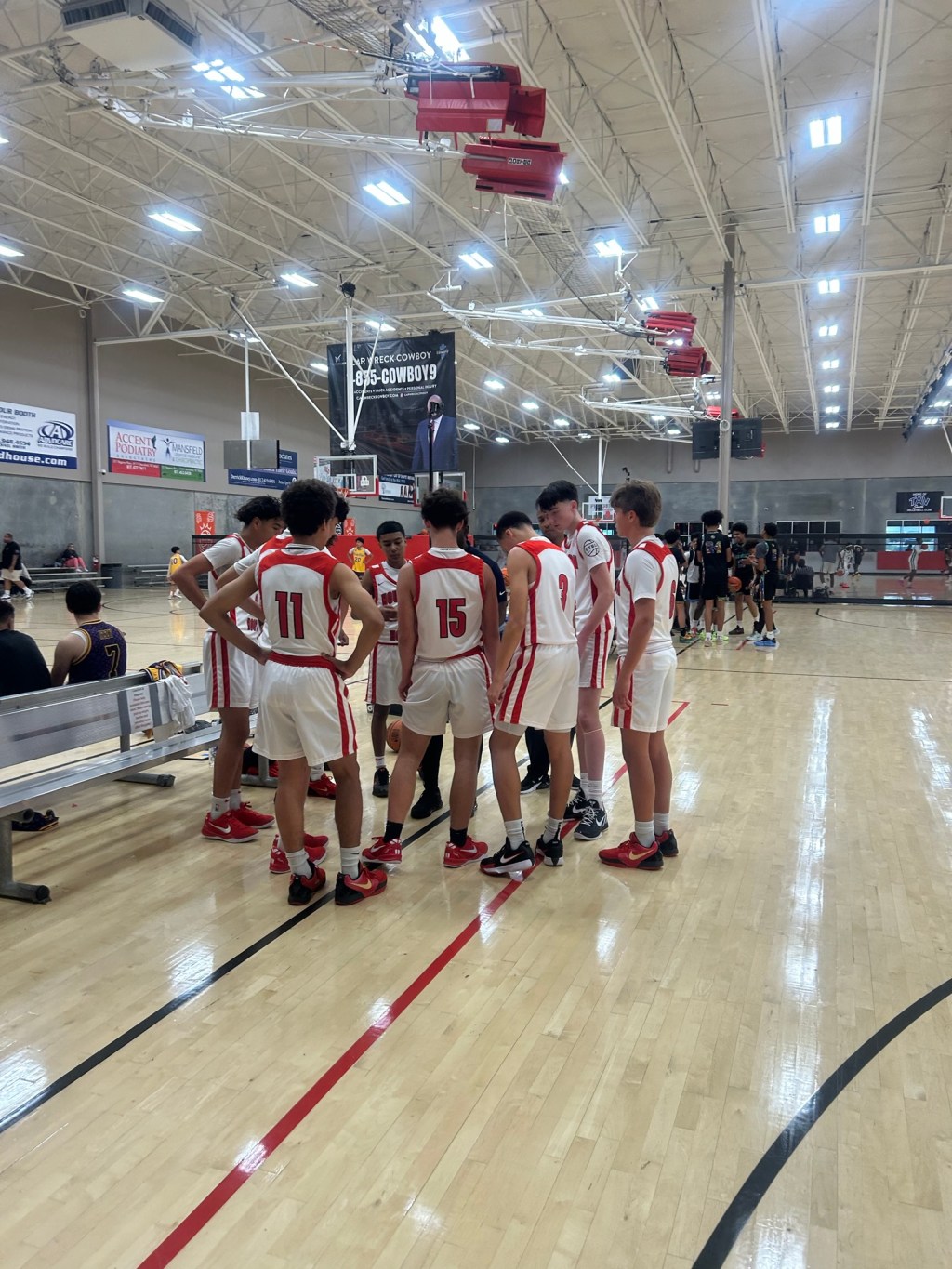
    This is a big one—and the answer isn’t always clear. Unlike school ball, playing time in AAU isn’t guaranteed. Some coaches prioritize development, others are focused on winning or showcasing a few key players. And then there is DAD BALL (stay tuned for that conversation but to preview, this is a situation where the coach has his child on the team).

    From our experience: One of the things we’ve always encouraged our kids to do is talk to their coach directly if they’re wondering about playing time. We’ve coached them to ask questions like, “What can I do to get more playing time?” or “What areas do I need to improve?” That kind of initiative shows the coach they’re serious about getting better—and it helps build communication skills and accountability.


    3. “Are we on the right team or program?”
    There are a lot of teams out there, and it’s not always easy to tell if you’re in the right place.

    In our journey: We’ve had to change teams a few times—and it’s never been an easy decision. Sometimes it meant leaving friends behind or stepping into the unknown with a new coach and system. Every team will come with some challenges, so we always ask: Are these things we can live with and manage? Or are they true deal-breakers, like a toxic coach or unhealthy team culture? You have to weigh the discomfort of change against the cost of staying in a situation that isn’t helping your child grow.


    4. “How do I handle all this travel and scheduling?”
    Weekend tournaments, sometimes multiple per month, mean a lot of hotel nights, early mornings, and long drives. It can be overwhelming for working moms or families with multiple kids.

    But here’s something important to consider:
    Make sure the travel schedule matches the age and skill level of your child. For younger kids—especially elementary-aged players—extensive travel is often unnecessary and can even be counterproductive. We’ve learned that sticking to local tournaments early on gives kids the chance to build confidence, learn the game, and have fun without the stress (and cost) of traveling across states.

    In our experience: The best early experiences that support long-term development happen close to home, where kids can focus on playing—not performing. If a team is pushing for intense travel too soon, that may be a red flag.

    What helps: Once you do get into travel, connect with other parents to carpool, share hotel rooms, and rotate who travels when possible. Group chats and shared calendars can truly save your sanity.


    5. “Is this too much pressure for my kid?”
    AAU can be intense. Some kids thrive, while others get overwhelmed.

    Mom-to-mom: Regular check-ins with your kid are so important. Sometimes they just need to vent or take a break. Make sure they know their worth isn’t tied to their stats—and that their well-being always comes before basketball.


    6. “How can I support my child without becoming ‘that mom’?”
    We all want our kids to succeed—but it’s easy to get caught up in sideline drama, coach complaints, or playing-time politics.

    My golden rule: Be your child’s biggest fan off the court. Let the coach do the coaching. And, please be nice to the Refs. They are people too. 


    7. “What’s the end goal here?”
    For some families, it’s exposure for college scholarships. For others, it’s skill development, confidence, and friendship. Knowing your “why” helps guide decisions and keep things in perspective.

    Ask yourself: What does success look like for our family? Not every player is destined for Division 1 College or the NBA—and that’s okay.


    Closing Thoughts:

    Being a new AAU mom is like stepping into a whole new world. It’s fast, competitive, and sometimes exhausting—but it can also be empowering and unforgettable. You’re building memories, character, and resilience right alongside your child. Trust your gut, ask questions, and don’t be afraid to make a change if it’s what’s best for your kid. We’re all learning—and cheering—together.