Author: Dr. Choquette Hamilton

  • What I Learned From Taking My Son to an Elite Basketball Camp

    What I Learned From Taking My Son to an Elite Basketball Camp

    For Moms New to the AAU Grind

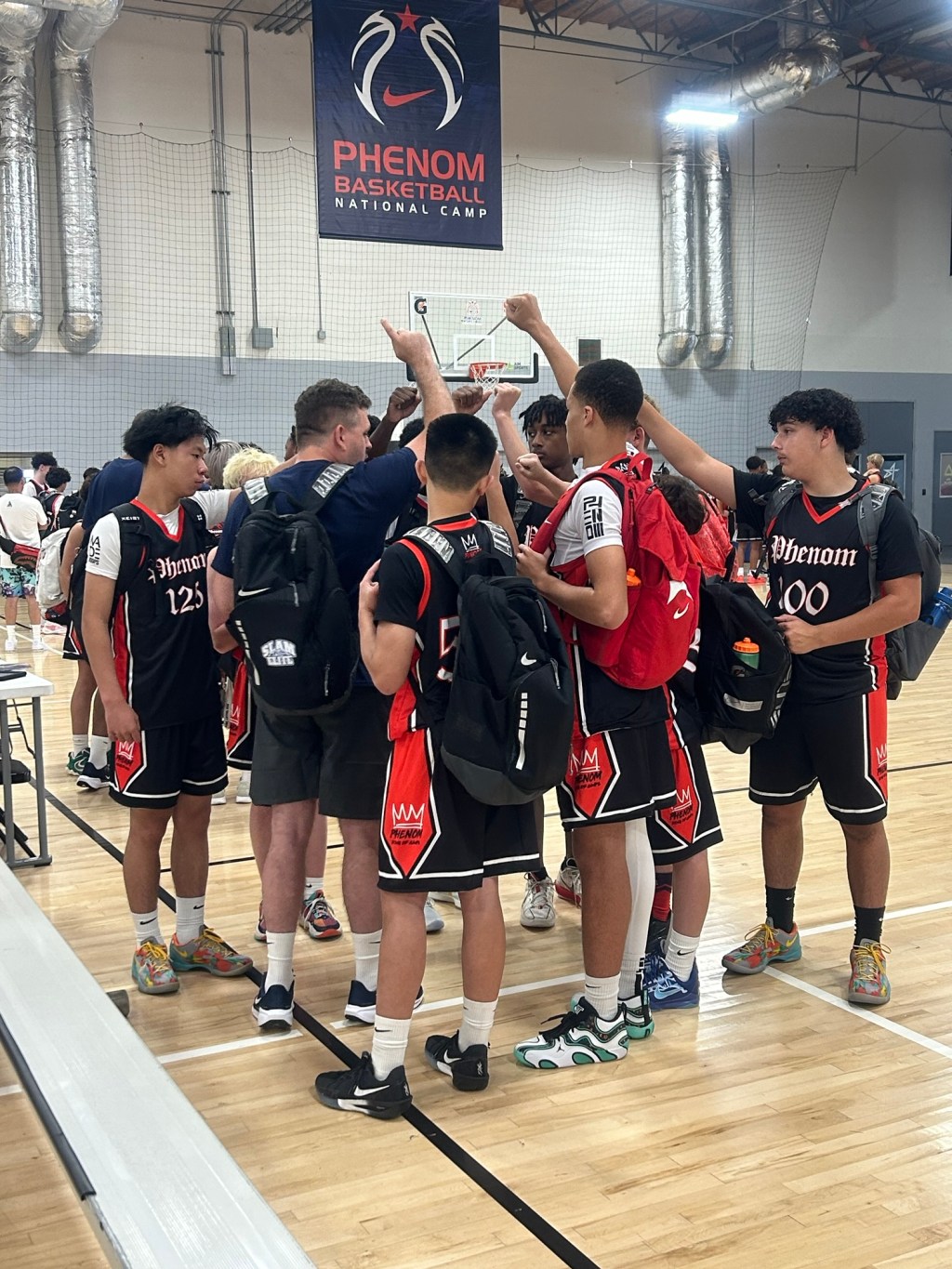
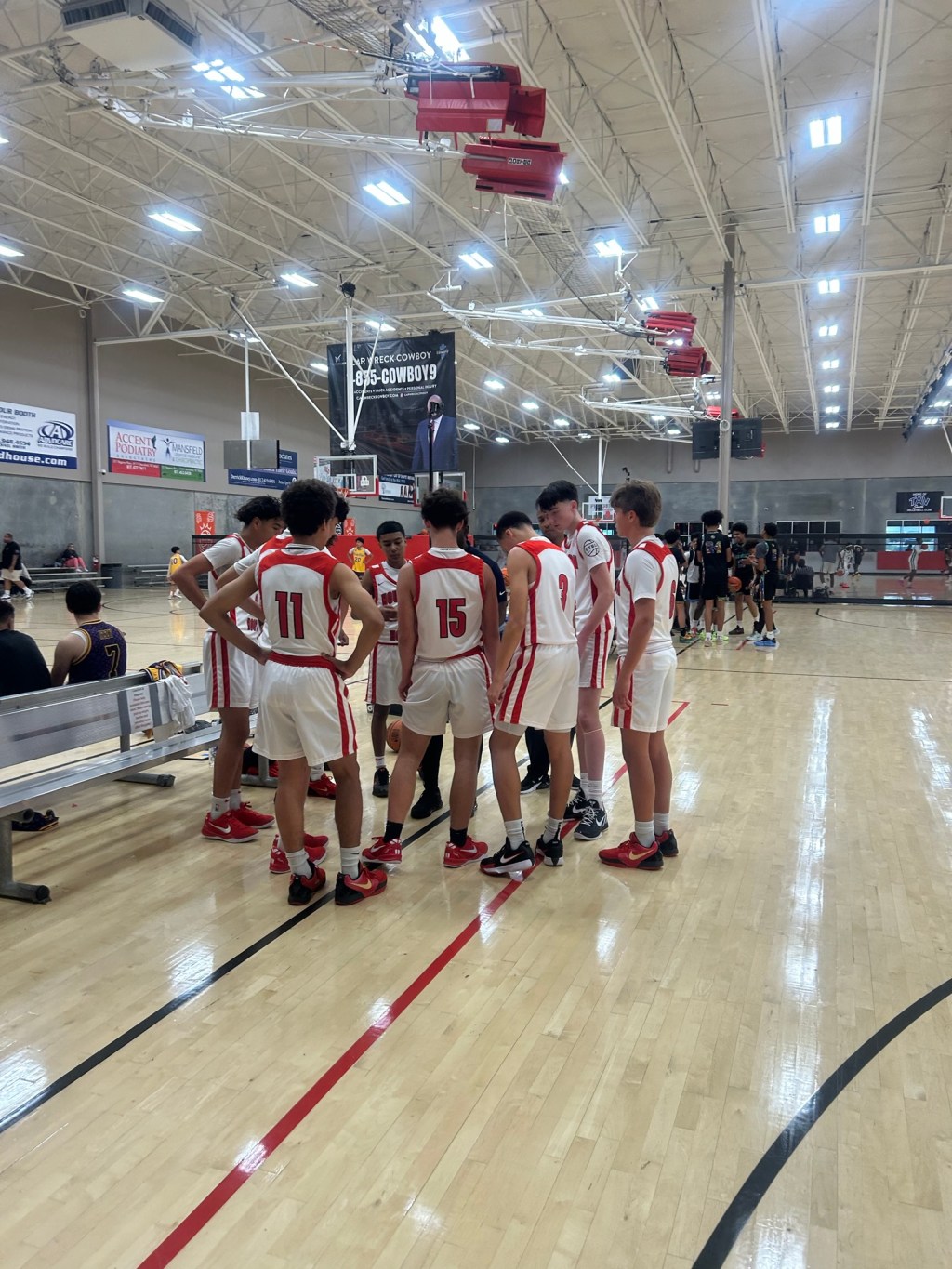
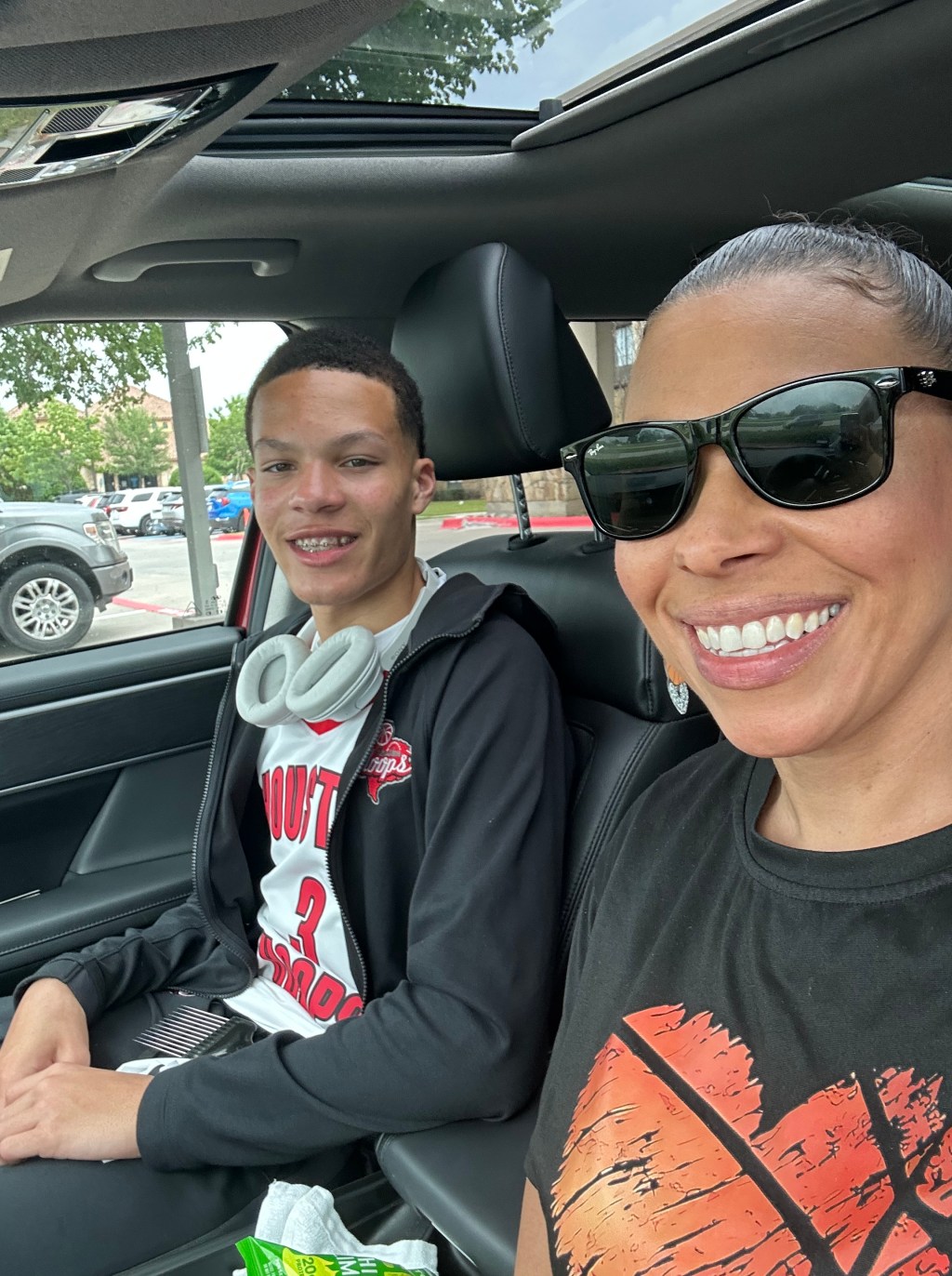
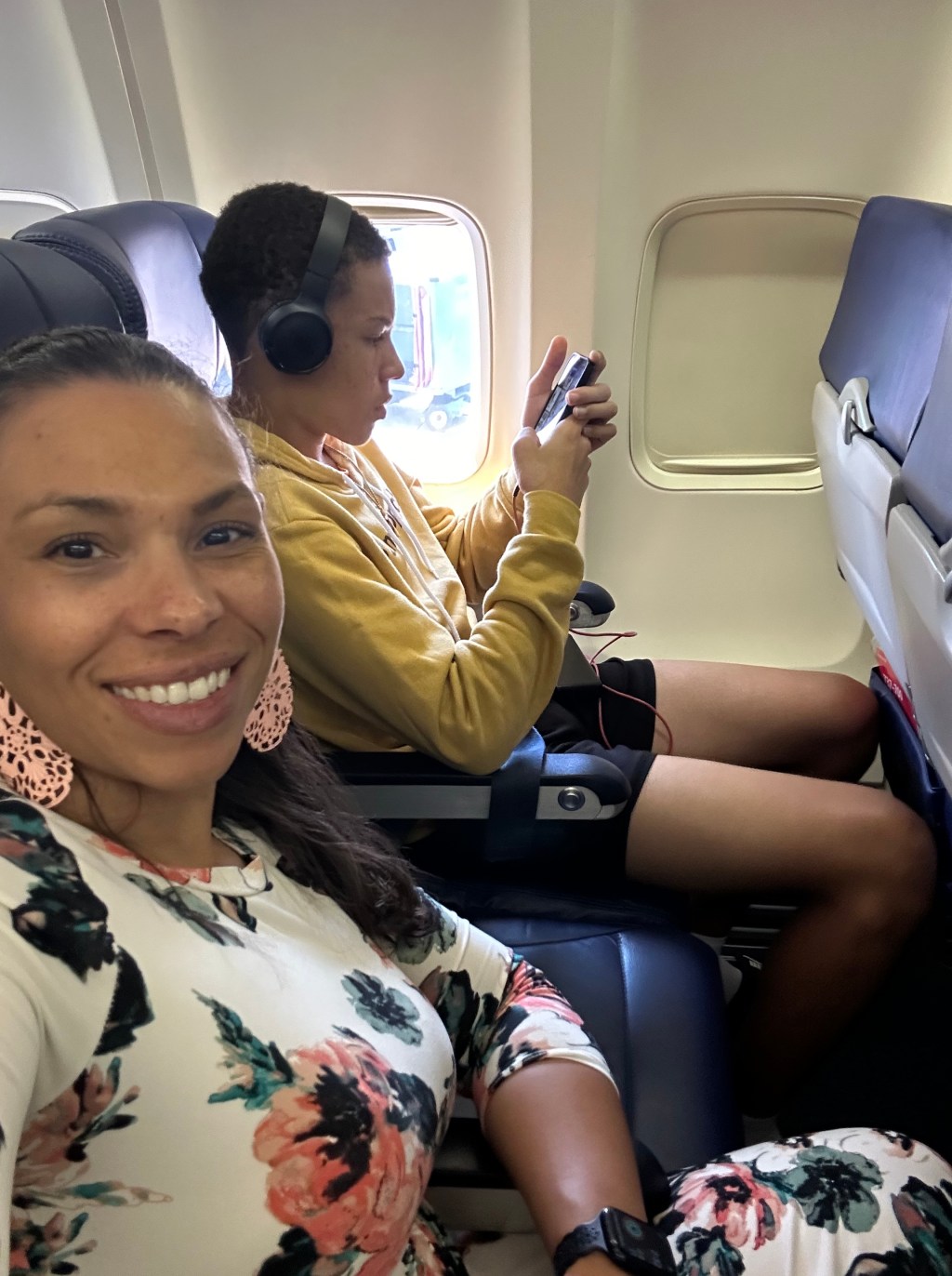
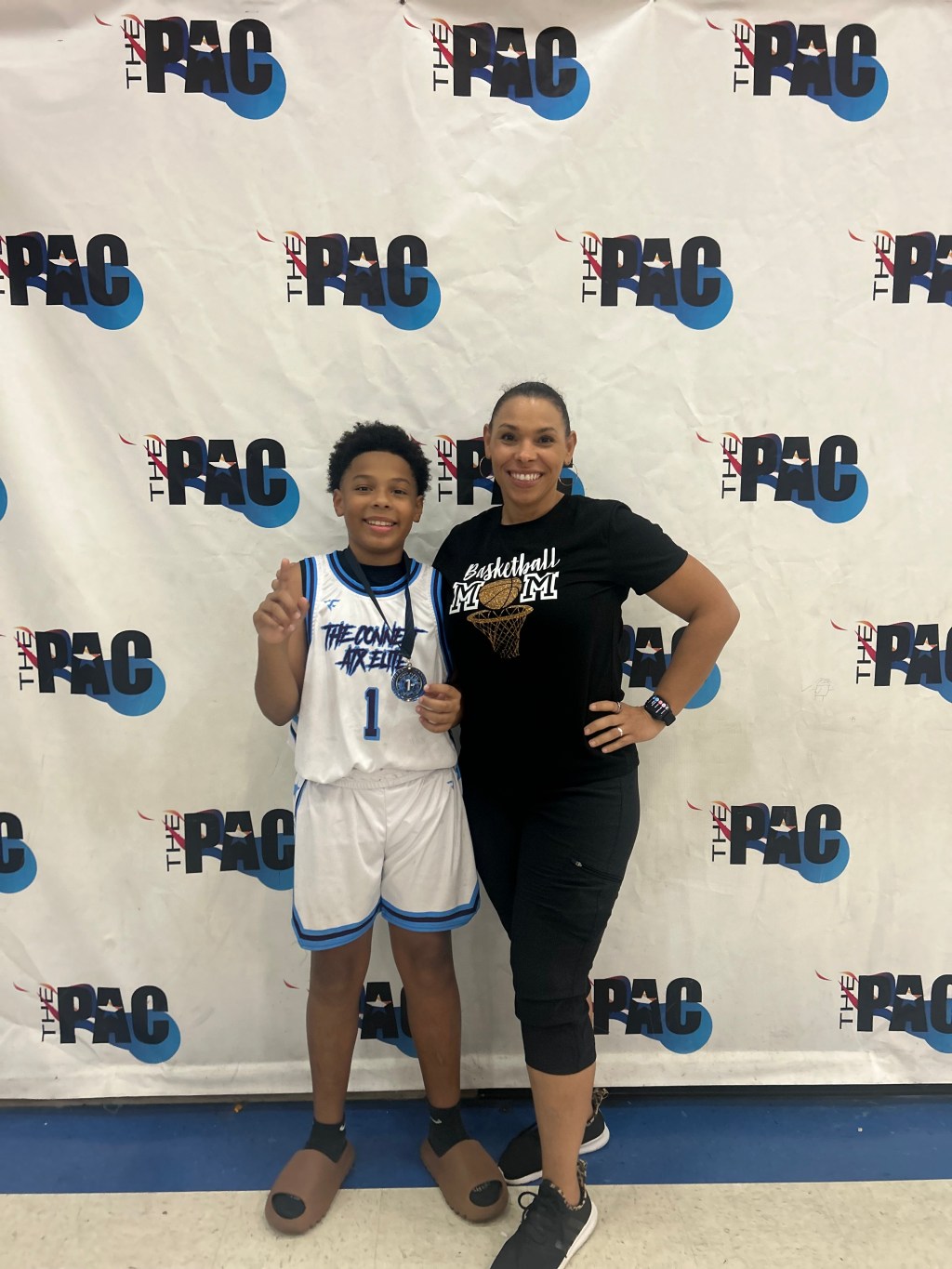
    This summer, my son—a rising 9th grader—attended the National Phenom Camp in Orange County, CA. It was one of the most intense, high-profile basketball camps he’s ever experienced, and honestly, I learned just as much as he did.

    As a mom who’s still fairly new to the world of AAU—and especially the exposure camp scene—this was an eye-opener. From the competition level to the culture and the cost, here’s what I walked away with, in hopes it helps another mom navigate her son’s basketball journey.


    🔥 This Camp Was Serious

    The second we walked in, we felt it: high expectations, focused energy, and a “let’s get to work” atmosphere. This was not a laid-back summer skills camp. These boys came to compete, to be evaluated, and to level up. And the staff? Locked in.

    For my son, who’s preparing for high school tryouts and getting serious about his development, it was exactly what he needed.


    💸 Let’s Talk About the Cost

    This was an investment—no sugar-coating it.

    • Camp Fee: $600
    • Flights: ~$200 (Please note that I was able to get one flight free with a companion pass)
    • Hotel (4 nights): ~$850
    • Ground Transportation: ~$250
    • Food & Snacks: ~$250
    • Camp Gear: ~$50
    • Parent Admission Band: $50

    Total: ~$2,250

    Was it worth it? For us, yes. The exposure, coaching, and competition level were all aligned with where my son is developmentally and where he wants to go. But if your child is younger or not as invested yet, there are absolutely other ways to grow without dropping this kind of money.


    🧠 It’s More Than Just Ball

    What surprised me most was how much of the camp focused on character: discipline, confidence, communication, and leadership. These coaches weren’t just molding hoopers—they were shaping young men. I saw my son stretched in ways I couldn’t have predicted.


    🏀 Not Every Camp Is Right for Every Age

    This camp was best for players who are ready to be seen—rising 9th graders and older. If your child is younger, is still developing foundational skills or is shy about competition, you might want to wait.


    ❤️ Final Thought: Go At Your Child’s Pace

    AAU is a marathon, not a sprint. Some camps will stretch your kid in powerful ways. Others might overwhelm or discourage them. The best “next step” is the one that aligns with who your child is today—not just who they’re becoming.

    I’m still learning and evolving as a basketball mom. But if this journey has taught me anything, it’s that presence, perspective, and partnership with your child matter more than any stat line.

    We’re in this together, mama.

    With love and court side snacks,

    Choquette

  • 🏀 How to Find the Right Team for Your Young Athlete: A Mom’s Guide to Making the Best Call

    🏀 How to Find the Right Team for Your Young Athlete: A Mom’s Guide to Making the Best Call

    If you’re a basketball mom, you’ve probably heard this before: “It’s not just about talent—it’s about finding the right team.” And as a mom of two travel players, let me tell you—it’s true. The right team can build your child’s confidence, sharpen their skills, and help them fall in love with the game. The wrong one? It can drain them (and you) emotionally and financially.

    So how do you choose a team that’s the right fit—not just the one with the flashiest uniforms or biggest name? Here’s what I’ve learned:


    ✨ 1. Start With Your Athlete—Not the Team

    Before you do anything else, sit down with your child and ask:
    🔹 What do YOU want out of this season?

    Are they hoping to have fun, get better, get more playing time, or gain exposure for future opportunities?

    You’d be surprised—sometimes what we think they want isn’t what’s actually motivating them.

    And remember: age and maturity play a huge role. A 7th grader might just want a supportive environment, while a rising freshman might be ready to level up.


    🔍 2. Watch a Practice or Game First

    If you’re seriously considering a team, ask to attend a practice or tournament before committing.

    Pay attention to:

    • How the coach talks to players (encouraging, demanding, dismissive?)
    • How the players interact with one another (are they a team or a collection of individuals?)
    • The vibe on the sidelines—are the families engaged, respectful, welcoming?

    Ask yourself: Would I want my child to be part of that dynamic?


    🧑‍🏫 3. Know the Coaching Style—and What Your Child Needs

    Every coach is different. Some are intense. Some are nurturing. Some are tactical. Some are motivators.

    Ask:

    • Is the coach invested in skill development or just racking up wins?
    • Will my child actually learn and grow here?
    • Is there room for my child to contribute and evolve?

    Not every coach is right for every athlete—and that’s okay.


    📈 4. Fit > Fame

    Yes, it can feel exciting to land a spot on a “name brand” AAU team. But if your child rarely gets off the bench, what’s the benefit?

    Development doesn’t happen from the sidelines.

    Sometimes, the better fit is a smaller or mid-tier program where your athlete gets more playing time, more coaching attention, and real opportunities to lead and grow.


    💰 5. Be Real About the Cost

    I’ve shared openly the real cost of AAU basketball so it is important to factor in the cost of the program you are looking at. Ask for the full picture up front:

    • Registration fees
    • Uniforms/gear
    • Travel expectations (hotels, gas, flights)
    • Hidden costs like tournament food or team photos

    Every family has a budget—and there’s no shame in that. Some teams offer flexible payment plans or scholarships. Ask. Advocate. Know before you commit.


    👋🏽 6. Ask Other Parents 

    Find a parent with experience on the team and ask:

    • How’s the communication from coaches?
    • Any red flags with favoritism or team culture?
    • How’s the balance between competition and development?

    This can give you a much deeper view than the team’s Instagram highlights. Also know that no team is perfect. There is ALWAYS something.


    🌱 7. Reevaluate Every Season

    Your child will grow. Their needs, goals, and skill level will evolve. Don’t feel obligated to stay on a team year after year if it no longer fits. That’s not disloyal—it’s being intentional about your child’s development.


    💬 Final Thought (From One Basketball Mom to Another)

    This journey isn’t just about building better players. It’s about building confident, resilient kids. The right team should challenge your child and support them. It should feel like a second family—one that lifts them up, not tears them down.

    You’re not just picking a team. You’re choosing a culture, a coach, a community—and that matters more than any trophy shelf.

    So trust your gut, listen to your kid, and remember: you’re doing great, mom. 💪🏽

  • Essential Tips for New AAU Basketball Moms

    Essential Tips for New AAU Basketball Moms

    So your child made an AAU basketball team—congrats, Basketball Mom! If you’re feeling a mix of pride, excitement, and “what did we just sign up for?”—you’re not alone. AAU Basketball can be an incredible experience for your young athlete, but for moms new to the game, it often brings a flood of questions and concerns. As a veteran AAU mom who’s been through the highs, lows, and hotel breakfast buffets, here are some of the top concerns I had (and hear from other moms)—plus what I’ve learned along the way.


    1. “How much is this going to cost?”
    Let’s be real: AAU isn’t cheap. Between team fees, uniforms, travel, hotels, meals, and tournament entry costs, the expenses can add up quickly. Many moms worry about budgeting—especially if there are siblings involved or if you’re traveling across states.

    Check out my blog post where I breakdown the real cost of AAU basketball.

    Pro tip: Ask early for a breakdown of expected costs, and find out if there are fundraising opportunities or team sponsors.


    2. “Will my child get enough playing time?”
    This is a big one—and the answer isn’t always clear. Unlike school ball, playing time in AAU isn’t guaranteed. Some coaches prioritize development, others are focused on winning or showcasing a few key players. And then there is DAD BALL (stay tuned for that conversation but to preview, this is a situation where the coach has his child on the team).

    From our experience: One of the things we’ve always encouraged our kids to do is talk to their coach directly if they’re wondering about playing time. We’ve coached them to ask questions like, “What can I do to get more playing time?” or “What areas do I need to improve?” That kind of initiative shows the coach they’re serious about getting better—and it helps build communication skills and accountability.


    3. “Are we on the right team or program?”
    There are a lot of teams out there, and it’s not always easy to tell if you’re in the right place.

    In our journey: We’ve had to change teams a few times—and it’s never been an easy decision. Sometimes it meant leaving friends behind or stepping into the unknown with a new coach and system. Every team will come with some challenges, so we always ask: Are these things we can live with and manage? Or are they true deal-breakers, like a toxic coach or unhealthy team culture? You have to weigh the discomfort of change against the cost of staying in a situation that isn’t helping your child grow.


    4. “How do I handle all this travel and scheduling?”
    Weekend tournaments, sometimes multiple per month, mean a lot of hotel nights, early mornings, and long drives. It can be overwhelming for working moms or families with multiple kids.

    But here’s something important to consider:
    Make sure the travel schedule matches the age and skill level of your child. For younger kids—especially elementary-aged players—extensive travel is often unnecessary and can even be counterproductive. We’ve learned that sticking to local tournaments early on gives kids the chance to build confidence, learn the game, and have fun without the stress (and cost) of traveling across states.

    In our experience: The best early experiences that support long-term development happen close to home, where kids can focus on playing—not performing. If a team is pushing for intense travel too soon, that may be a red flag.

    What helps: Once you do get into travel, connect with other parents to carpool, share hotel rooms, and rotate who travels when possible. Group chats and shared calendars can truly save your sanity.


    5. “Is this too much pressure for my kid?”
    AAU can be intense. Some kids thrive, while others get overwhelmed.

    Mom-to-mom: Regular check-ins with your kid are so important. Sometimes they just need to vent or take a break. Make sure they know their worth isn’t tied to their stats—and that their well-being always comes before basketball.


    6. “How can I support my child without becoming ‘that mom’?”
    We all want our kids to succeed—but it’s easy to get caught up in sideline drama, coach complaints, or playing-time politics.

    My golden rule: Be your child’s biggest fan off the court. Let the coach do the coaching. And, please be nice to the Refs. They are people too. 


    7. “What’s the end goal here?”
    For some families, it’s exposure for college scholarships. For others, it’s skill development, confidence, and friendship. Knowing your “why” helps guide decisions and keep things in perspective.

    Ask yourself: What does success look like for our family? Not every player is destined for Division 1 College or the NBA—and that’s okay.


    Closing Thoughts:

    Being a new AAU mom is like stepping into a whole new world. It’s fast, competitive, and sometimes exhausting—but it can also be empowering and unforgettable. You’re building memories, character, and resilience right alongside your child. Trust your gut, ask questions, and don’t be afraid to make a change if it’s what’s best for your kid. We’re all learning—and cheering—together.

  • Surviving Late-Night Games & Early Mornings as a Basketball Mom

    Surviving Late-Night Games & Early Mornings as a Basketball Mom

    Being a basketball mom means long nights at the gym and early mornings for school, practice, or tournaments. Balancing it all while keeping your child (and yourself) energized can feel like an impossible task. But with some planning and smart strategies, you can make these late nights and early mornings more manageable. Here are my top tips for surviving and thriving through the chaos!

    1. Prioritize Sleep & Recovery

    Basketball schedules don’t always align with a good night’s sleep, but making rest a priority is key.

    • Help your athlete wind down: Encourage post-game stretching, hydration, and a light snack to aid recovery. Avoid heavy meals or too much screen time before bed.
    • Create a bedtime routine: Even if it’s late, a consistent routine signals to the body that it’s time to rest. Dim the lights, lower the noise, and keep things calm.
    • Take advantage of naps: A short 20–30-minute power nap after school or before a game can help replenish energy levels.
    • Model good sleep habits: If you’re staying up scrolling through social media or stressing over tomorrow’s schedule, your child will pick up on it. Prioritize your own rest, too!

    2. Meal Prep & Snack Hacks

    Nutrition plays a big role in recovery and energy levels, so having a plan for meals and snacks can make a big difference.

    • Have post-game snacks ready: Pack protein bars, fruit, or trail mix for quick recovery.
    • Meal prep breakfast: Overnight oats, smoothie bags (just blend in the morning!), or egg muffins can save time while ensuring a nutritious start to the day.
    • Hydrate smart: Encourage water intake before, during, and after games. Electrolyte drinks can be helpful but watch for added sugars.
    • Quick, balanced options: A peanut butter banana wrap (or almond butter if you have peanut allergies like us!) or a yogurt parfait with granola is a fast, nutritious breakfast when time is tight.

    3. Time Management Strategies

    Getting out the door on time after a late night requires preparation.

    • Lay everything out the night before: From uniforms and shoes to school backpacks and water bottles, having everything ready reduces morning stress. There have been too many occasions where a missing jersey caused us to run late! 
    • Use checklists: Whether on your phone or a whiteboard, keeping a running checklist helps make sure nothing is forgotten. This strategy is especially useful for traveling! 
    • Batch tasks: If you’re making lunches, prep a few days’ worth at once. If your athlete needs to shower after a game, have them also set out their morning gear before bed.
    • Limit morning distractions: No TV or unnecessary phone use until essentials are done.

    4. Keeping Energy Levels Up (For Both of You!)

    Late nights and early mornings can leave both you and your athlete running on empty. Here’s how to stay fueled:

    • For your athlete: Make sure they get a balance of protein, healthy fats, and carbs to sustain energy. Avoid sugary snacks that lead to crashes.
    • For you: Instead of relying solely on coffee, try green tea, protein shakes, or smoothies to keep you going.
    • Move a little: If you’re struggling with fatigue, a quick walk or some stretching can boost alertness.
    • Stay hydrated: Dehydration leads to sluggishness, so keep a water bottle handy. I also make sure I drink one serving of electrolytes daily to keep myself hydrated. 

    5. The Mental Game: Staying Positive & Encouraged

    Managing a hectic basketball schedule isn’t just about logistics—it’s also about mindset.

    • Give yourself grace: Some days will be chaotic, and that’s okay. A messy house or skipping a workout now and then isn’t the end of the world.
    • Encourage, don’t pressure: Your child may feel exhausted too. Support their effort, not just their performance.
    • Find small joys: Whether it’s a quick laugh on the drive home or a post-game treat, celebrate the little moments.
    • Connect with other parents: You’re not in this alone! Sharing the experience with fellow basketball parents can make the journey more enjoyable.

    Final Thoughts

    Being a basketball mom means mastering the balance of late nights and early mornings, but with preparation and the right mindset, you can handle the chaos. Remember, it’s not just about getting through the schedule—it’s about making memories along the way. So take a deep breath, grab your coffee, and enjoy the ride!

  • Why Kids Should Wait Until 5th Grade to Join Select Basketball

    Why Kids Should Wait Until 5th Grade to Join Select Basketball

    Joining a select basketball team can be an exciting opportunity, but for children under the age of 10, it may not be the right time. Based on both personal experience and research, I believe waiting until at least 5th grade—around age 11—provides the best balance for development, family life, and long-term success in the sport.

    Developmental Readiness

    Younger children are still developing basic motor skills, coordination, and game understanding. At this stage, the focus should be on building foundational abilities rather than competition. Many select basketball teams prioritize winning over player development, which can lead to poor habits that are difficult to correct later. Waiting until about the 5th grade allows kids to mature physically, emotionally, and mentally, better preparing them for the demands of select basketball. This delayed start can also prevent frustration that might arise from trying to meet expectations they are not yet equipped to handle.

    The Financial Strain on Families

    The financial commitment for select basketball is significant, with team fees, tournament costs, travel expenses, and equipment quickly adding up. For younger children, these costs often outweigh the benefits, especially when their long-term interest in basketball is uncertain. By waiting until 5th grade, families can ensure their investment aligns with their child’s true passion and readiness for the sport. Recreational leagues offer similar joy and skill-building at a fraction of the cost, making them a better option for younger players.

    Risk of Burnout and Injury

    Starting competitive basketball at a young age can lead to early burnout. The intense schedule of practices, tournaments, and travel may cause kids to lose their love for the game by middle or high school. Worse, young athletes are at risk for overuse injuries such as ACL tears, meniscus tears, and patellar tendonitis. These injuries can have long-term consequences, potentially cutting short a promising basketball career before it even begins. By postponing participation in select basketball, children are more likely to maintain their enthusiasm and commitment over the long term while also protecting their physical health.

    Limited Social Benefits

    For children under 11 years old, social development is just as important as athletic growth. Recreational leagues provide a low-pressure environment where kids can play with friends, learn teamwork, and enjoy the game. Select basketball often separates children from their local peers and places them in a competitive atmosphere that may not yet suit their developmental needs.

    Family Lifestyle Impact

    Select basketball demands significant time and energy from families, especially with younger players. The frequent travel and weekend commitments can disrupt family routines and strain relationships, particularly when siblings are involved. Waiting until 5th grade gives families more time to prepare for the lifestyle adjustments required by competitive sports.

    Building a Strong Foundation

    Instead of jumping into select basketball too early, children can benefit from focusing on skill development through clinics, recreational leagues, and unstructured play. These experiences build a solid foundation that will serve them well when they transition to competitive basketball in later years.

    Conclusion

    Joining a select basketball team before the age of 10 may seem like a great opportunity, but the drawbacks often outweigh the benefits. By waiting, families can ensure their child is developmentally ready, avoid unnecessary financial strain, reduce the risk of burnout and injury, and support a healthier balance between sports and family life. Based on my experience, I believe age 11 is the ideal time to develop the skills needed for competitive play and middle school basketball.

    What do you think? Do you agree or disagree?

  • The Real Cost of AAU Boys Basketball

    The Real Cost of AAU Boys Basketball

    “How much does AAU basketball really cost?” I get this question a lot and it’s a great question because the financial commitment for select basketball can be overwhelming. Between team fees, tournament entry costs, travel expenses, uniforms, and training, the money adds up quickly. And that doesn’t even include the hidden costs like hotel stays, meals on the road, or additional gear your player “absolutely needs.” Just to give you some insight, here is how much a typical season might cost if you are starting your first AAU team:

    Team Fees: $850 – $2,400

    Your team fees will likely be one of the most significant expenses. These fees can vary depending on the age of your child (younger teams, such as elementary age, might cost less than middle school teams, though this is not always the case) and whether they are “local” players or “travel” players. Travel players participate in out-of-city or out-of-state tournaments, which increases the cost.

    Tournament Entry Fees: $30 – $120

    It typically costs between $15-$20 per person to watch your child play at a tournament. Some tournaments span two days, and you’ll need to pay each day or purchase a weekend pass (if available). If your team participates in three tournaments in a month, these fees can accumulate quickly.

    Travel Expenses: $50 – $1,060

    Overnight tournaments out of town can incur significant travel expenses. While your team may secure a block hotel rate, it still averages around $150 per night. Depending on the distance, you’ll also spend money on gas (1-2 tanks at $50 each) or flights ($500-$600 per person unless you can use travel points). Meals and snacks are another expense, typically around $20 per meal for 3-4 meals per person. While bringing snacks or booking a hotel room with a kitchen can help reduce food costs, the expenses still add up.

    Equipment: $50 – $500

    Some teams require players to use specific shoes or brands, especially if they’re part of a circuit sponsored by a brand like Nike or Adidas. While most teams include the cost of uniforms in the tuition, some charge separately for warm-up suits and backpacks. Additionally, high-quality basketball is essential for competitive play.

    Word of Caution: Basketballs, especially premium ones, are frequently stolen. Be sure to label your child’s basketball and keep it secured in a backpack when not in use.

    Total Costs for a Spring/Summer Season (February – July):

    • Regional Player: $1,800
    • Travel Player: $9,015

    Final Thoughts

    AAU basketball can be a life-changing experience for your child, but it’s essential to be financially prepared. Planning ahead, budgeting for the season, and finding ways to save on travel and gear can help make the journey smoother. While the costs can feel daunting, the memories and opportunities your child will gain are often well worth the investment.

    Does this align with your experience? Leave a comment and let me know or let me know if you have any questions. I am here to help :).

  • Things I wish I knew before moving from rec ball to select ball.

    Things I wish I knew before moving from rec ball to select ball.

    When my boys first started playing basketball in the local rec league, it felt simple and fun. Practices were close by, games were on Saturdays, and costs were minimal. Little did I know that transitioning from recreational basketball to select (or AAU) basketball would be a whole new world—one that demanded more of everything: time, money, emotions, and commitment. Here are the five biggest lessons I’ve learned along the way.

    1. It’s More Expensive Than You Think

    The financial commitment for select basketball can be overwhelming. Between team fees, tournament entry costs, travel expenses, uniforms, and training, the money adds up quickly. And that doesn’t even include the hidden costs like hotel stays, meals on the road, or additional gear your player “absolutely needs.” Just to give you a little insight into what I am talking about, check out my post on the “Real Cost of Boys AAU Basketball.”

    2. It’s a Major Time Commitment

    Select basketball isn’t just a season; it’s a lifestyle. Practices are often multiple times a week and can be farther away than your local rec gym. One season, we commuted up to an hour each way! Additionally, weekends are dominated by tournaments, and many of those tournaments are not local. At least half of the tournaments will require you to drive or fly in neighboring cities or across the country. 

    3. There Are More Emotions

    The stakes feel higher in select basketball, and with that comes a rollercoaster of emotions—for players and parents alike. There are tears after tough losses, frustration over playing time, and stress about making the “right” team. But there are also incredible highs: watching your child’s hard work pay off, seeing them hit a game-winning shot, or cheering on their growth as both a player and a person. Learning to ride the highs and lows with grace has been one of the biggest challenges and rewards.

    4. ‘Ball Is Life’ Is a Real Thing

    For families in the world of select basketball, the phrase “ball is life” takes on a whole new meaning. The sport becomes more than a game—it’s a central part of your family’s schedule, social life, and identity. You’ll find yourself talking about basketball at dinner, making friends with other basketball parents, and prioritizing games over other events. It’s intense, but it’s also a unique bond that brings your family closer.

    5. Your First Team Won’t Be Your Last Team

    One of the hardest lessons to learn is that teams change. Your child’s first select team likely won’t be their last. Players grow, coaches change, and sometimes teams simply aren’t the right fit anymore. It’s tough to leave a team, especially when friendships have formed, but finding the right environment for your child’s development and happiness is worth it. Be prepared for transitions and trust that they’re part of the journey.

    Final Thoughts

    Moving from rec ball to select ball has been a whirlwind, but it’s also been one of the most rewarding experiences for our family. Watching my boys grow as athletes and individuals has made every sacrifice worthwhile. If you’re considering making the leap, I hope these lessons help you feel a little more prepared for the adventure ahead. And remember: at the end of the day, it’s about supporting your child’s love for the game and creating memories that will last a lifetime.

    Feel free to ask me any questions or leave a comment. What have you learned that you wish others knew? 

  • AAU Teams in the Greater Austin Area

    Finding the right team is not easy! Here are a list of AAU teams that are in the Greater Austin Area.

    When my family first entered the world of select basketball (AAU), one of the biggest challenges was simply knowing where to start. The Greater Austin Area is home to a variety of teams, but finding the right fit for your child can feel overwhelming. To help other mothers like me navigate this transition, I’ve compiled a list of select teams specifically for elementary & middle School boys (please note that some of the teams below do have girl teams as well!) Also, don’t come for me if I missed a team! Just let me know ☺️.

    4700 Training Academy

    • Practice Location: Hutto
    • Website
    • Circuit: Adidas

    Arnold Elite

    • Practice Location: Round Rock
    • Website
    • Circuit: Adidas

    ATX Future 

    Austin Select

    Austin Unbreakable

    Practice Location: Bee Cave

    CenTex Attack

    Connect ATX Elite 

    Dark Horse Hoops

    Elite Nation Heat

    Houston Hoops – CenTex

    • Practice Location: South Austin
    • Social Media
    • Circuit: Nike

    Impact Sportz

    KSK Club 

    Magic Basketball Club

    • Practice Location: Round Rock/Cedar Park
    • Website

    Texas Warriors Elite (TWE)

    Young Game Changers (YGC) 

    • Practice Location: Pflugerville
    • Website
    • Circuit: Puma

    Did I miss a program? Drop a comment below 👇🏽 and I’ll update the list!