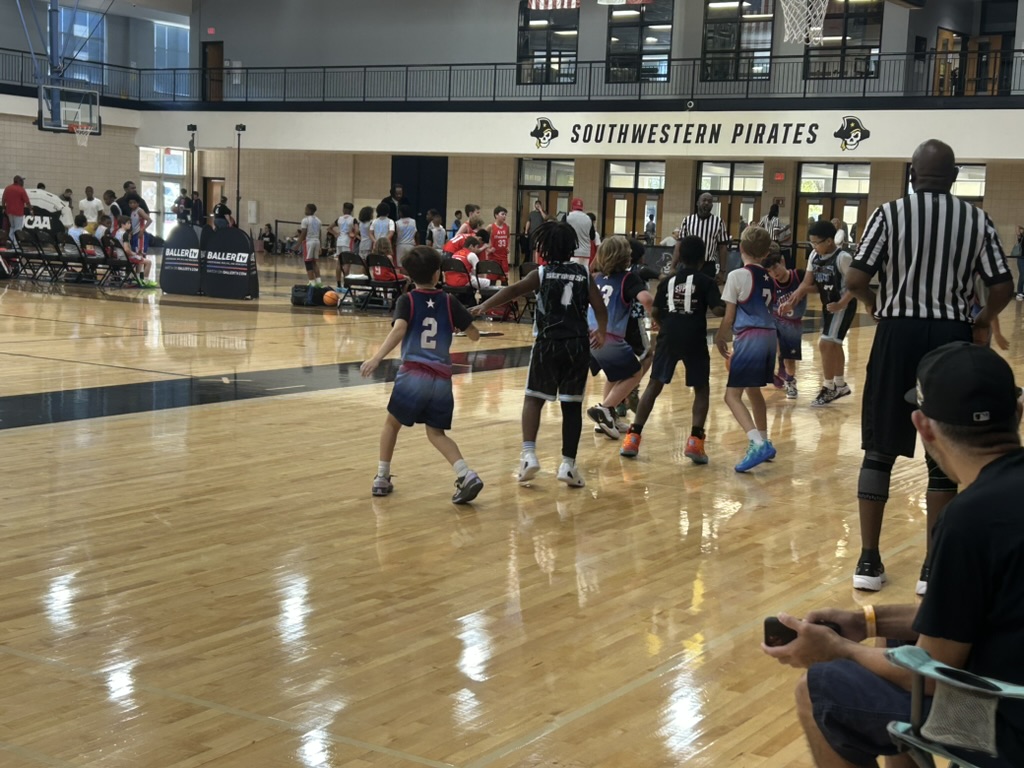
Joining a select basketball team can be an exciting opportunity, but for children under the age of 10, it may not be the right time. Based on both personal experience and research, I believe waiting until at least 5th grade—around age 11—provides the best balance for development, family life, and long-term success in the sport.
Developmental Readiness
Younger children are still developing basic motor skills, coordination, and game understanding. At this stage, the focus should be on building foundational abilities rather than competition. Many select basketball teams prioritize winning over player development, which can lead to poor habits that are difficult to correct later. Waiting until about the 5th grade allows kids to mature physically, emotionally, and mentally, better preparing them for the demands of select basketball. This delayed start can also prevent frustration that might arise from trying to meet expectations they are not yet equipped to handle.
The Financial Strain on Families
The financial commitment for select basketball is significant, with team fees, tournament costs, travel expenses, and equipment quickly adding up. For younger children, these costs often outweigh the benefits, especially when their long-term interest in basketball is uncertain. By waiting until 5th grade, families can ensure their investment aligns with their child’s true passion and readiness for the sport. Recreational leagues offer similar joy and skill-building at a fraction of the cost, making them a better option for younger players.
Risk of Burnout and Injury
Starting competitive basketball at a young age can lead to early burnout. The intense schedule of practices, tournaments, and travel may cause kids to lose their love for the game by middle or high school. Worse, young athletes are at risk for overuse injuries such as ACL tears, meniscus tears, and patellar tendonitis. These injuries can have long-term consequences, potentially cutting short a promising basketball career before it even begins. By postponing participation in select basketball, children are more likely to maintain their enthusiasm and commitment over the long term while also protecting their physical health.
Limited Social Benefits
For children under 11 years old, social development is just as important as athletic growth. Recreational leagues provide a low-pressure environment where kids can play with friends, learn teamwork, and enjoy the game. Select basketball often separates children from their local peers and places them in a competitive atmosphere that may not yet suit their developmental needs.
Family Lifestyle Impact
Select basketball demands significant time and energy from families, especially with younger players. The frequent travel and weekend commitments can disrupt family routines and strain relationships, particularly when siblings are involved. Waiting until 5th grade gives families more time to prepare for the lifestyle adjustments required by competitive sports.
Building a Strong Foundation
Instead of jumping into select basketball too early, children can benefit from focusing on skill development through clinics, recreational leagues, and unstructured play. These experiences build a solid foundation that will serve them well when they transition to competitive basketball in later years.
Conclusion
Joining a select basketball team before the age of 10 may seem like a great opportunity, but the drawbacks often outweigh the benefits. By waiting, families can ensure their child is developmentally ready, avoid unnecessary financial strain, reduce the risk of burnout and injury, and support a healthier balance between sports and family life. Based on my experience, I believe age 11 is the ideal time to develop the skills needed for competitive play and middle school basketball.
What do you think? Do you agree or disagree?
 Basketball Mom Life
Leave a comment